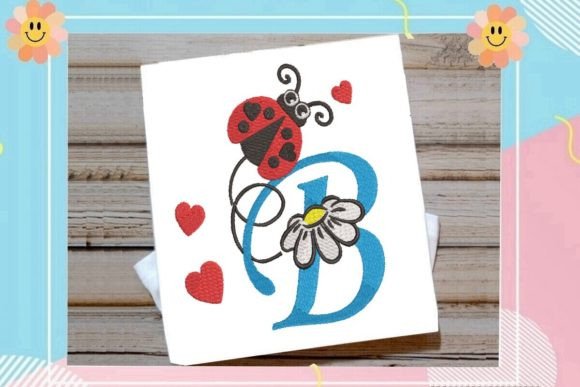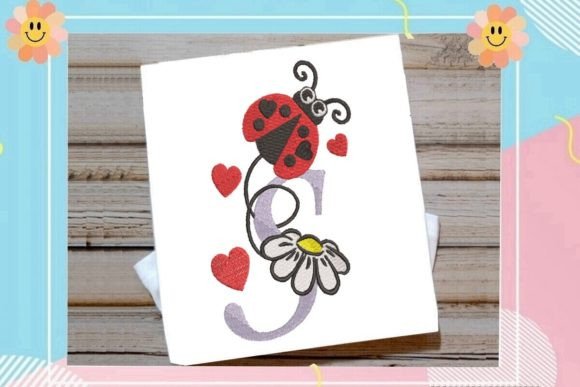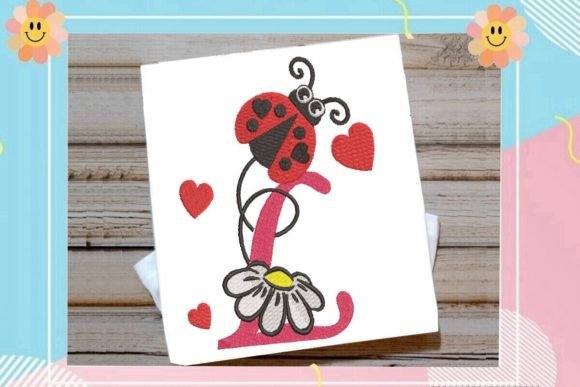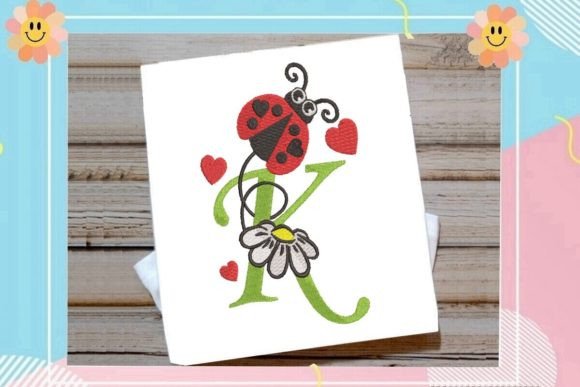
Ladybug Q Letter Monogram: A Charming Embroidery Design for Small Business Branding
First Impressions: Playful, Friendly, and Visually Engaging
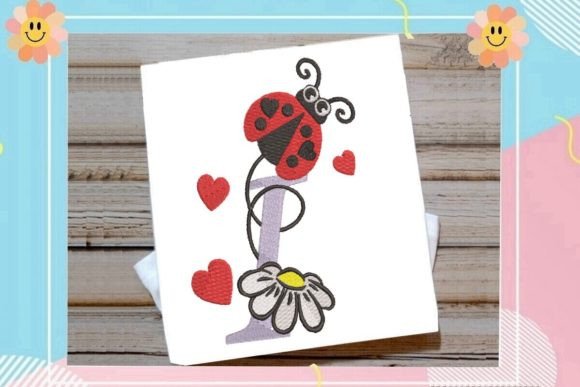
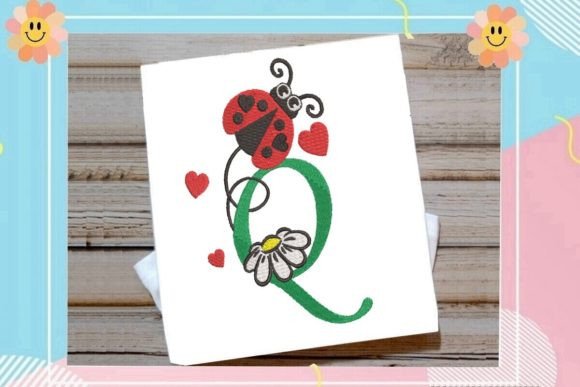
As an experienced embroidery designer, the Ladybug Q Letter Monogram immediately caught my eye for its whimsical charm and attention to detail. The design blends a decorative Q with an adorable ladybug, creating a look that feels both handmade and professional. It strikes a perfect balance between playful and polished—ideal for small businesses that want to project approachability without sacrificing brand identity.
This machine embroidery design is especially appealing for brands in creative niches like florals, children’s products, pet accessories, or boutique cafés. The ladybug adds a touch of personality, while the decorative font keeps the monogram feeling elevated enough for commercial use.
Real Business Use: Versatile and Adaptable Across Merchandise
One of the biggest strengths of the Ladybug Q Letter Monogram is its adaptability. I’ve tested it across several mockups and found it works beautifully as an embroidered patch, chest logo accent, and sleeve detail. Here’s how it performs in real-world applications:
- Staff uniforms: Adds a subtle yet memorable touch to aprons and work shirts. Perfect for cafés, bakeries, or small studios that want a custom feel without being too flashy.
- Cap embroidery: Scales well for front-panel use, especially when the ladybug is stylized to avoid overly fine details that might get lost.
- Tote bag branding: Makes a great focal point on cotton or canvas bags—ideal for boutique merchandise or customer gifts.
- Product packaging accents: Works as a sewn-in tag or patch on handmade packaging, especially for Etsy sellers or craft-based brands.
- Event merch: Great for limited-run items like event totes or giveaway aprons, especially when paired with coordinating design assets.
Whether used on a boutique dress tag or as a featured design on a promotional tote, the Ladybug Q Letter Monogram maintains its clarity and charm. It's also a strong candidate for digital embroidery files that need to be reused across different product lines.
Where to Use It Carefully: Size, Fabric, and Detail Considerations
While this embroidery file is versatile, it’s important to consider the limitations of the design when planning for production:
- Small patch sizes: The ladybug detail may become less defined at sizes below 2 inches. Test at smaller dimensions before mass production.
- Cap fronts: Curved surfaces can distort fine lines, so ensure the design’s outline and spacing hold up under tension.
- Textured fabric: On materials like denim or heavy canvas, the intricate details may not stitch as crisply—always test on actual fabric.
- Dark uniforms: The contrast between thread and fabric is crucial. Consider using a light thread base or outline to make the ladybug stand out.
- Frequent washing: High stitch density can affect durability. Confirm the design has appropriate spacing and underlay to prevent fraying.
These are standard considerations for any commercial embroidery project, but they’re especially important when working with a design that includes small elements like the ladybug’s legs or spots.
Brand Identity and Customer Perception
For small businesses, the right embroidered patch can do more than just decorate—it can build brand recognition and trust. The Ladybug Q Letter Monogram offers a distinct visual identity that’s easy to remember and associate with your brand. It’s not just a decorative monogram; it’s a signature design element that says something about your business’s personality.
When used consistently across uniforms, packaging, and merch, this design contributes to a cohesive brand presence. It enhances the perceived value of handmade products and adds a professional finish to customer-facing items like tote bags or staff aprons. For Etsy sellers and craft businesses, this kind of design helps differentiate their offerings in a crowded marketplace.
Practical Designer Notes: What to Test Before Production
Before taking the Ladybug Q Letter Monogram into full production, here are a few steps I always recommend as a professional embroidery designer:
- Test in black and white first: This helps identify contrast issues and clarity before committing to color threads.
- Check small patch size compatibility: Ensure the ladybug still reads clearly at the intended size.
- Review thread color contrast: Choose thread shades that highlight the ladybug and letter Q without blending into the fabric.
- Inspect spacing and density: Avoid overly tight stitching that can pucker fabric or wear poorly over time.
- Confirm hoop size: Match the design dimensions to your embroidery machine’s hoop capacity to avoid distortion.
- Test on real fabric: Always stitch a sample on the intended material to check for detail retention and durability.
- Use proper stabilizer: Especially important for stretchy or textured fabrics to maintain clean lines and structure.
- Create a printable mockup: Share with clients or stakeholders to get approval before stitching begins.
- Compare with other design assets: Ensure it fits stylistically with existing logos, fonts, and visuals used across your brand.
- Confirm commercial licensing: Make sure the digital embroidery file allows for business use and resale on merchandise.
These steps are essential to ensure the final product looks professional and holds up under real-world conditions. They also help avoid costly rework or client dissatisfaction later on.
Final Thoughts: A Thoughtful Addition to Your Embroidery Branding Kit
The Ladybug Q Letter Monogram is more than just a cute design—it’s a versatile branding tool that small businesses can use across a wide range of merchandise and promotional items. Whether you're an embroidery shop owner, apparel decorator, or Etsy seller, this design offers a unique way to add personality and professionalism to your products.
Its playful yet refined aesthetic makes it ideal for businesses that want to stand out with a handmade touch while maintaining a consistent visual identity. With the right testing and fabric choices, it can become a signature element of your brand’s visual language.