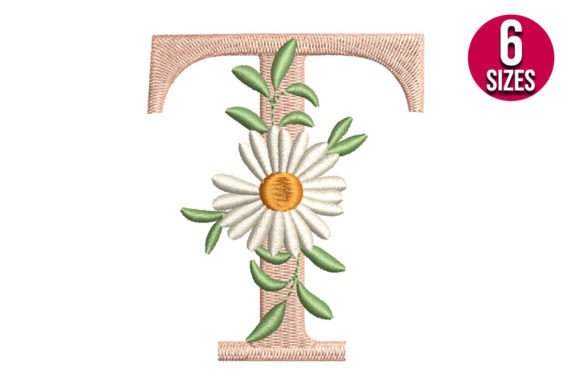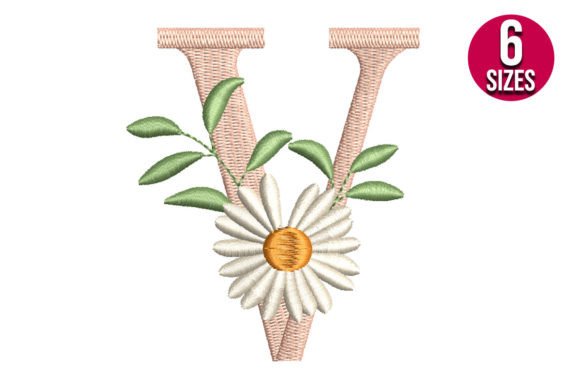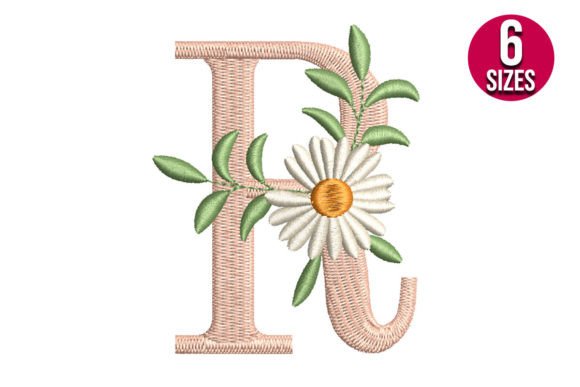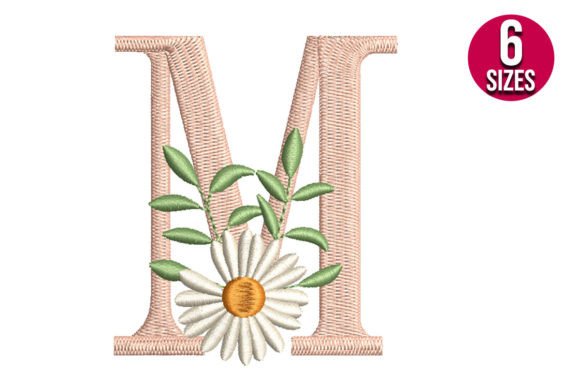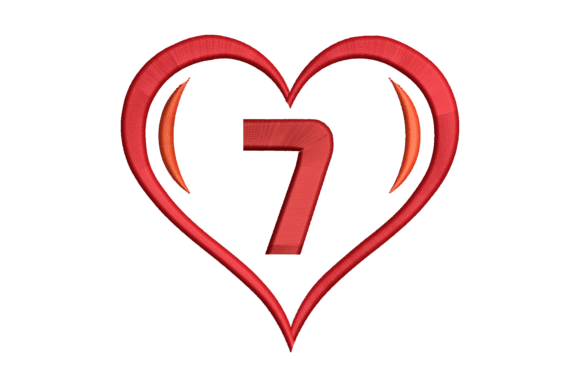
Monogram Number 7: A Heartfelt Design for Small Business Branding
First Impressions: Elegant, Versatile, and Business-Ready
As an embroidery designer evaluating Monogram Number 7, the first thing that stands out is its elegant, romantic aesthetic combined with a surprising level of versatility. The mention of a “beautiful heart design” immediately suggests a warm, personal touch—perfect for small businesses looking to convey care, craftsmanship, and connection. While the description is brief, the design’s adaptability across cotton, linen, silk, and more hints at a clean, scalable layout that could translate well into both digital mockups and physical embroidered patches.
This isn’t just a decorative motif; it reads as a premium, modern-classic monogram with potential for commercial embroidery use. Whether you’re creating custom apparel for staff or designing boutique merchandise, Monogram Number 7 seems poised to elevate brand identity with a soft yet professional edge.
Real Business Use: From Patches to Product Packaging
Let’s imagine a local café or florist looking to brand their tote bags, aprons, and caps. Monogram Number 7 offers a heart-centered design that can serve as a standalone logo or a supporting element within a larger brand suite. Here’s how it might perform in various applications:
- Embroidered patches: If the heart is stylized but not overly intricate, it could make a charming, recognizable patch for handmade goods or event merch.
- Staff uniforms: Placed on the chest or sleeve, this design could subtly reinforce brand warmth and personality without overshadowing the professional look.
- Cap embroidery: Depending on stitch density and size, the heart could be a soft, elegant front accent—especially for lifestyle or wellness brands.
- Tote bag branding: As a central design mark, it would add a boutique feel to reusable bags, especially when paired with complementary text or icons.
- Apron design: For bakeries or craft studios, this could be a signature touch that enhances the handmade presentation of the business.
- Product packaging accents: Embroidered labels or small stitched tags could use this design to elevate packaging and create a tactile brand experience.
From a merch creator or Etsy seller perspective, this design could be part of a themed collection—especially if the business leans into a romantic, artisanal, or wedding-related niche. It also opens the door for offering printable mockups to clients or including it in digital embroidery file bundles for commercial use.
Where to Use It Carefully
While Monogram Number 7 sounds promising, there are practical embroidery considerations to keep in mind:
- Small patch sizes: If the heart has fine lines or internal details, shrinking it down could cause thread blending or loss of clarity.
- Cap fronts: Curved surfaces can distort stitching, so testing on a cap blank is essential before full production.
- Dark uniforms: Without sufficient thread contrast, the heart may not stand out—especially if it uses subtle color variations.
- High stitch density: A tightly stitched heart could pucker delicate fabrics like silk unless proper stabilizer is used.
- Textured fabric: Linen or burlap may require underlay adjustments to ensure the design remains crisp and legible.
- Frequent washing: For staff uniforms or aprons, make sure the design holds up under repeated laundering without fraying or fading.
Brand Identity and Customer Engagement
When used thoughtfully, Monogram Number 7 can become a key part of a small business’s visual identity. Its heart motif evokes emotion and connection—ideal for brands that want to be seen as approachable, caring, and community-oriented. Whether it’s on a boutique gift tag or a barista’s apron, this design can help build customer trust by signaling attention to detail and quality craftsmanship.
For Etsy sellers or handmade brands, this type of embroidery adds a tactile, personalized element that digital printing can’t replicate. It elevates the perceived value of products and creates a sense of exclusivity. Used consistently across merchandise, it also supports visual consistency and brand recognition—two key elements in long-term brand strategy.
Practical Designer Notes Before Production
Before committing Monogram Number 7 to any commercial embroidery project, here are key steps to take:
- Test in black and white first: This helps identify contrast issues and overall clarity before choosing final thread colors.
- Check small patch size performance: Resize the design and stitch it on a sample patch to ensure legibility and detail retention.
- Review thread color contrast: Especially for dark or textured fabrics, choose thread that complements and stands out.
- Inspect spacing and density: Avoid overly tight stitching that could cause fabric distortion or thread breakage.
- Confirm hoop size: Make sure the design fits within your machine’s hoop capacity to avoid scaling or distortion.
- Test on real fabric: Always run a test stitch on the actual material to assess how the design behaves.
- Use proper stabilizer: This is crucial for maintaining stitch quality, especially on stretchy or delicate fabrics.
- Create a printable mockup: Show clients how the design will look on the finished product before stitching a single thread.
- Compare with other design assets: Ensure this monogram aligns with your brand’s other visual elements for a cohesive look.
- Confirm commercial licensing: If you’re using this as part of a product for resale, verify that the embroidery file includes the right for commercial use.
Final Thoughts: A Heartfelt Addition to Your Design Toolkit
For small business owners, embroidery shops, and merch creators, Monogram Number 7 offers a unique opportunity to infuse warmth and personality into branded goods. Whether used as a standalone emblem or part of a broader design system, it has the potential to enhance brand storytelling and customer engagement—especially when applied with intention and care.
As a professional embroidery designer, I’d recommend this design for businesses looking to create a soft, memorable brand presence through custom apparel, patches, or product accents. Just remember to test thoroughly, evaluate fabric compatibility, and ensure it aligns with your brand’s visual identity before full-scale production.