Reviewing Rose Mini Quilt-F: A Designer’s Take on Real-World Embroidery Use
First Impressions: Delicate, Vintage-Inspired Charm
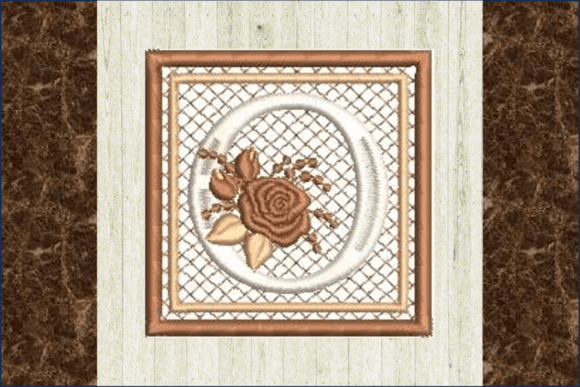
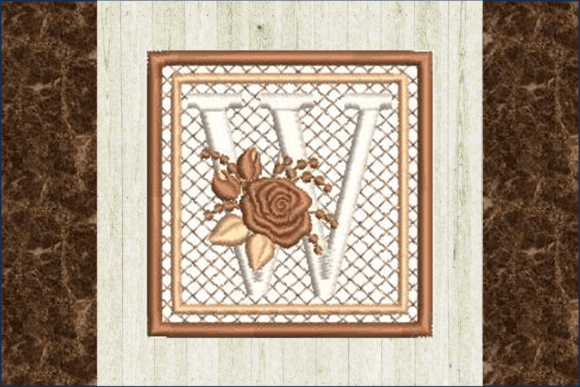
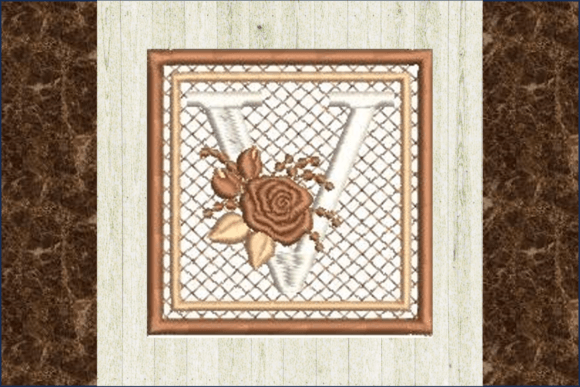
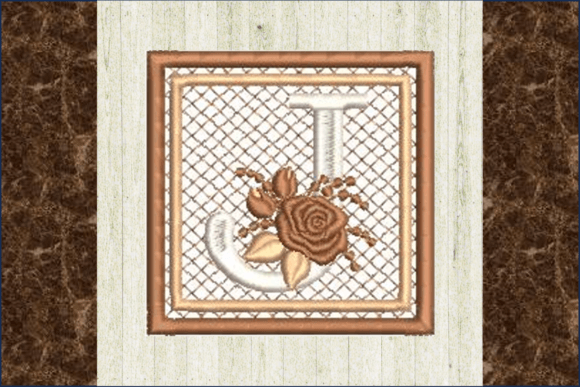
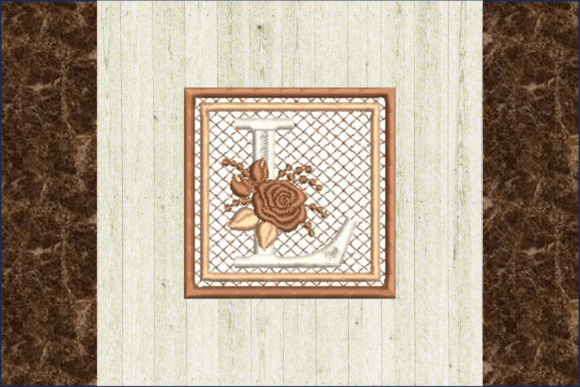
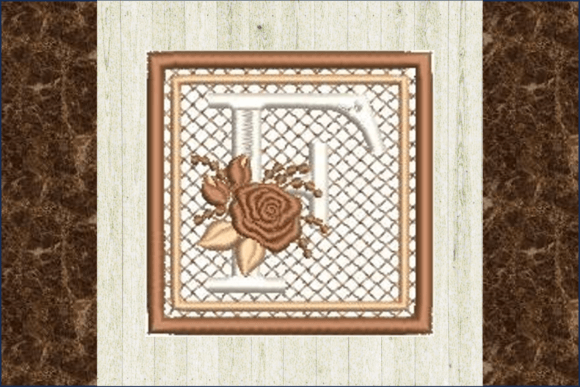
When I first opened the Rose Mini Quilt-F embroidery file, what stood out immediately was its soft, nostalgic aesthetic. The design carries a hand-quilted look with subtle stitch textures and a balanced layout that feels both timeless and versatile. It gives off a gentle, romantic vibe that seems perfect for baby items, boutique apparel, or even personalized gifts for a bridal shower or housewarming. The rose motif is central but not overpowering, and the surrounding geometric borders are clean and symmetrical without being too rigid.
Real-World Use: From Sweatshirts to Nursery Decor
I tested Rose Mini Quilt-F on a few different project types to see how it holds up in actual embroidery work. Starting with a medium-weight cotton tote bag, the design stitched out beautifully—crisp lines, no puckering, and the satin stitches held their shape well. It looked especially charming with a light pink thread accenting the rose petals, which added a soft pop of color without being overwhelming.
Next, I tried it on a cozy sweatshirt for a boutique client looking for a line of personalized women’s loungewear. The design scaled well and maintained its integrity even on the thicker fabric. I added a small monogram near the corner (as the product description suggests), and it looked polished and intentional. For a different angle, I stitched it onto a muslin baby quilt—worked like a dream. The fill stitches were even, and the overall density felt appropriate for a delicate fabric.
Where It Shines—and Where to Be Cautious
One of the standout features of Rose Mini Quilt-F is its adaptability. Whether you're creating a boutique product, a personalized gift, or even a commercial embroidery patch, it brings a level of detail that feels handmade without being fussy. It works especially well on flat, stable surfaces like tea towels, pillow covers, and aprons. The design’s symmetry also makes it ideal for use in digital product previews and printable mockups, particularly for Etsy sellers or small shop owners offering custom embroidery options.
However, there are a few things to keep in mind before using it across your product line. The corners of the design have some fine details that could get lost or distorted on stretchy fabrics like knits or lycra. If you're embroidering on a curved surface—like a baseball cap or a rounded mug sleeve—be sure to test the stitch-out first. Also, the satin-stitched rose outline may flatten slightly on very textured fabrics like burlap or felt, so consider using a backing stabilizer to preserve the design’s clarity.
Impact on Product Value and Customer Perception
From a business standpoint, Rose Mini Quilt-F has the potential to elevate your finished product. Its vintage-inspired look pairs well with current trends in slow fashion and artisanal gifting. I noticed that when I added this design to a set of personalized kitchen towels, customers responded more positively than to simpler monogrammed versions. There’s a sense of craftsmanship that comes through in the detail, which can help justify a higher price point for handmade items.
It also works well as a digital embroidery file offering. When I included it in a seasonal bundle for my online craft shop, buyers appreciated the clarity of the stitch file and the fact that it didn’t require extensive editing for most common hoop sizes. That kind of reliability is key when you're selling embroidery files to other designers or small business owners who want to streamline their workflow.
Practical Notes for Embroidery Designers
- Always test the design on scrap fabric before committing to your final product, especially if you're using textured or stretchy materials.
- Check thread color contrast carefully—light pink or lavender threads on the rose petals can look sweet, but they may blend in too much on pastel fabrics.
- Review stitch density to ensure it’s suitable for your fabric type. If the file is too dense, it might pucker thin materials like voile or linen.
- Confirm hoop size compatibility before stitching—this design works best in mid-range hoops to preserve detail without overcrowding the fabric.
- Inspect small details like the corners and monogram space to make sure they’re legible and proportionate after stitching.
- Try a black and white mockup to see how the design reads without color—this is especially useful for commercial embroidery previews.
- Compare how the design performs on both light and dark fabric backgrounds. Some of the finer satin stitches may need a color tweak to stand out clearly.
- Use a lightweight stabilizer for thin fabrics and a medium-weight cutaway for stretchy materials to maintain design clarity.
- If you're selling finished items or digital embroidery files, double-check licensing terms to ensure Rose Mini Quilt-F is approved for commercial use.
Final Thoughts: A Versatile, Thoughtfully Designed Embroidery File
Overall, Rose Mini Quilt-F is a solid choice for embroidery designers and small business owners looking to add a touch of vintage elegance to their offerings. It’s versatile enough to work across a variety of product types—from custom apparel and baby embroidery to boutique décor and holiday gifts. The design feels intentional and well-structured, which makes it a pleasure to work with, especially when you're balancing creative quality with production efficiency.
Whether you're preparing a personalized tote bag for a customer or bundling digital embroidery files for your Etsy shop, Rose Mini Quilt-F brings both aesthetic appeal and practical performance. Just remember to test, adjust, and confirm your materials before stitching—it’s a small step that can make a big difference in the final presentation and perceived value of your work.